When Tingling in Your Feet Means Something More Than Just “Falling Asleep”
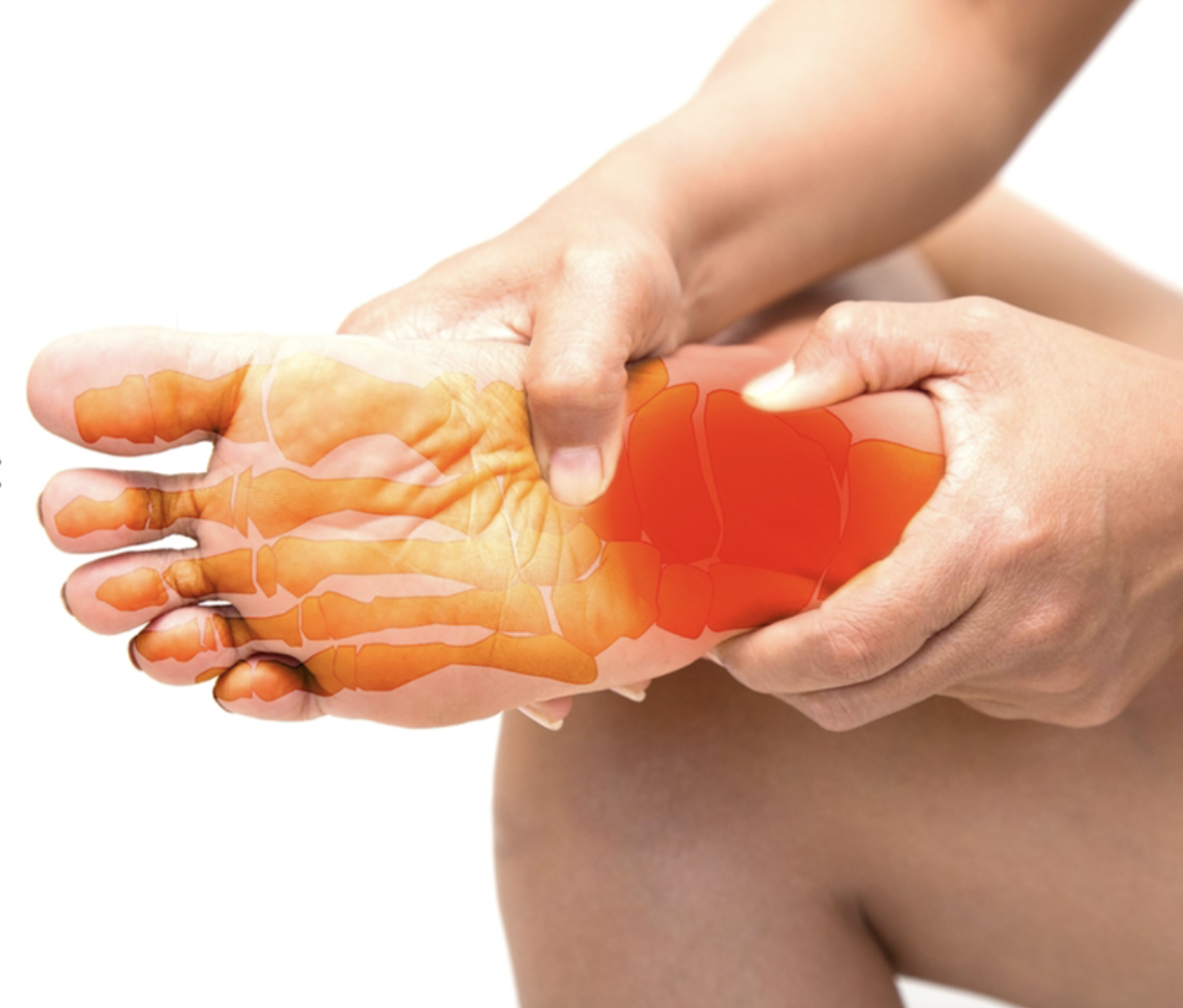
It started as a tingle in the toes—just a flicker. But over time, the pain crept in, burning through the soles like fire, especially at night. For many, these are the first signs of peripheral neuropathy, a condition that often develops silently and is frequently tied to diabetes or prediabetes. What’s frightening is how these early warning signs often go unnoticed. The good news? If caught early enough, both the nerve pain and even elevated blood sugar can be managed—or in some cases, reversed. That’s why it’s critical to never dismiss numbness, tingling, or unexplained foot pain.
Neuropathy is not just a foot problem—it’s a breakdown in the nervous system. Damage occurs in the peripheral nerves, which branch out from the brain and spinal cord. These nerves handle everything from temperature detectionand muscle control, to digestion and blood pressure regulation. When they begin to malfunction, the effects ripple across the entire body. That’s why it’s so important to recognize the symptoms and act quickly.
From Phantom Gloves to Nerve Fire: How Neuropathy Shows Up in Your Body
Some people say it feels like they’re wearing invisible socks or gloves. Others describe burning, freezing, or even shooting pain in their hands and feet, especially when trying to sleep. This kind of extreme sensitivity to touch or temperature is your body screaming for help. You may also experience feelings of instability, muscle twitching, or cramps that leave you feeling weak or wobbly. These aren’t just inconvenient—they’re the hallmark signs of neuropathyand need proper medical attention.
For some, it starts with cramping muscles or unsteady legs. For others, it’s a subtle change in heart rate, pulse, or blood pressure. These symptoms point to autonomic neuropathy, a type that affects the nerves controlling automatic functions like circulation and digestion. If you notice any of these changes—especially if you’re living with risk factors like obesity, high cholesterol, or type 2 diabetes—don’t wait. Seek help now.
🚨 7 Early Signs of Neuropathy You Should NEVER Ignore: Specific Symptoms
1. Numbness and Tingling Sensations
If your hands, feet, arms, or legs feel like they’ve fallen asleep or are covered in a prickling, buzzing sensation, this could be more than just poor circulation. These are often the first signs of nerve damage. While the sensations can vary from mild and sporadic to severe and constant, they all point to a problem that shouldn’t be ignored. Prompt medical attention can make all the difference.
2. Muscle Weakness
As neuropathy progresses, it can begin affecting your muscles, making it harder to grip, walk, or stay balanced. If you feel a sudden or gradual loss of strength, especially in the arms or legs, take it seriously. Many people report difficulty with everyday activities that used to be effortless. Muscle weakness tied to nerve damage can worsen quickly if left unchecked.
🩺 Also see: Arialief for Neuropathy
3. Sharp or Burning Pain
Not everyone experiences numbness—some feel sharp, burning, or electric shock-like pain. This may occur intermittently or become constant, and is often worse at night. Descriptions range from stabbing pain to hot, pulsing discomfort. These types of pain aren’t typical muscle soreness—they’re red flags for neuropathic pain.
4. Loss of Coordination and Balance
When nerves responsible for movement and control are damaged, the body starts to lose its sense of direction. You might stumble, sway, or feel unsure on your feet. This loss of coordination can increase the risk of falls—especially dangerous for older adults. A decline in balance is a major sign that neuropathy could be interfering with your motor functions.
5. Sensitivity to Touch or Temperature
Are you suddenly hypersensitive to cold, heat, or even light pressure? Does wearing socks or brushing against bed sheets cause pain? This type of heightened response to normally harmless stimuli is called allodynia and is a strong indicator of sensory nerve issues. Left unaddressed, it can become progressively worse and lead to chronic pain syndromes.
6. Digestive Issues
The nerves that control your digestive system can also be affected. This might show up as nausea, vomiting, diarrhea, or constipation without a clear cause. These symptoms may come and go but can seriously affect quality of life. Persistent gastrointestinal problems with no explanation deserve investigation.
🩺 Also see: 10 Ways to Get Rid of Indigestion Fast
7. Changes in Blood Pressure or Heart Rate
Autonomic neuropathy can wreak havoc on your body’s internal controls. If you experience dizziness, lightheadedness, unexplained high or low blood pressure, or a rapid heart rate, it could be your nerves failing to regulate these vital functions. This is especially true if you already have type 2 diabetes, obesity, or high cholesterol. In fact, up to 25% of neuropathy cases have no known cause—but share these same risk factors.
🩺 Also see: 6 Ways To Get Rid of Your Cholesterol Fast
🧠 Can Neuropathy Be Treated?
Yes—but early action is key. While complete reversal of nerve damage is rare once established, its progression can often be slowed or even halted with proper care. If you’re diabetic, tight blood sugar control is essential. Combine this with dietary changes, regular exercise, and close monitoring by a specialist. Visiting a podiatrist and maintaining a foot care routine is critical to prevent infections or ulcers in those with foot-related symptoms.
Some patients find relief with pain medications, though results can vary. Others benefit from physical therapy, mental health support, and nerve-stabilizing supplements. The key is persistence—if one treatment doesn’t work, keep going until you find what does.
🩺 Also see: 7 Tips to Lower Blood Sugar Naturally
🛡️ Preventing Neuropathy Before It Starts
You can greatly reduce your risk of developing neuropathy by taking a proactive approach:
-
Eat plenty of fruits, vegetables, whole grains, and lean proteins
-
Ensure you’re getting enough Vitamin B-12—vegans and vegetarians may need supplements
-
Exercise at least 30–60 minutes, 3 times a week
-
Avoid smoking, excessive alcohol, toxic chemicals, and repetitive motions that pressure nerves
-
Get vaccinated for shingles if you’re over age 50
🏥 Need Urgent Care?
Don’t wait. If you or a loved one is experiencing any of the 7 Early Signs of Neuropathy You Should NEVER Ignore, visit one of our 9 emergency facilities across the DFW Metroplex. We’re open 24/7 with average wait times under 10 minutes and locations in Hurst, Colleyville, Frisco, Highland Village, Hillcrest, Uptown, Little Elm, Mansfield, and Texoma. Your health and safety are our priority—come see us now or call anytime for immediate help.